






Что это?
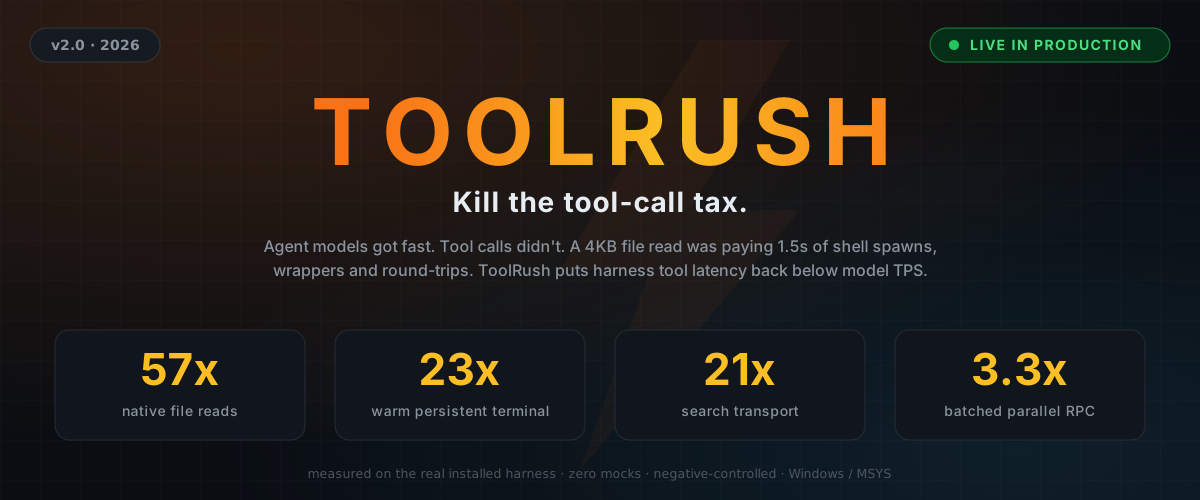
 ToolRush — плагин слоя исполнения с минимальными накладными расходами для Hermes Agent (агентной оболочки от Nous Research): он убирает задержки вызовов инструментов вроде чтения файлов, поиска и терминальных команд, сохраняя те же инструменты, результаты и защитные проверки.
ToolRush — плагин слоя исполнения с минимальными накладными расходами для Hermes Agent (агентной оболочки от Nous Research): он убирает задержки вызовов инструментов вроде чтения файлов, поиска и терминальных команд, сохраняя те же инструменты, результаты и защитные проверки.Это самостоятельный инструмент или плагин к чему-то другому?Это плагин, который устанавливается в уже развёрнутую оболочку Hermes Agent и ускоряет её транспортный слой; он нарочно не переизобретает поисковый движок или читалку файлов, а ускоряет настоящие.
Это плагин, который устанавливается в уже развёрнутую оболочку Hermes Agent и ускоряет её транспортный слой; он нарочно не переизобретает поисковый движок или читалку файлов, а ускоряет настоящие.Как после установки проверить, что всё работает?После установки плагина в оболочку запустите doctor.py --smoke для диагностики; любое ускоренное направление можно отключить по отдельности аварийным переключателем TOOLRUSH=0 или общим флагом toolrush.enabled.
После установки плагина в оболочку запустите doctor.py --smoke для диагностики; любое ускоренное направление можно отключить по отдельности аварийным переключателем TOOLRUSH=0 или общим флагом toolrush.enabled.Сначала нужно установить Hermes Agent?Да: ToolRush — плагин и работает только внутри установленной оболочки Hermes Agent; его быстрый поисковый канал напрямую запускает rg.exe (ripgrep на Windows), а чтение файлов выполняет штатным ридером оболочки для Windows.
Да: ToolRush — плагин и работает только внутри установленной оболочки Hermes Agent; его быстрый поисковый канал напрямую запускает rg.exe (ripgrep на Windows), а чтение файлов выполняет штатным ридером оболочки для Windows.Он ускоряет любой ход агента?Нет — ускоряется реальное время операций с инструментами, а не весь ход модели: ходы, где много вызовов инструментов, становятся заметно быстрее, а чисто диалоговые ходы почти не меняются; тривиальные одиночные чтения также не выигрывают от многопоточности, которая используется для пакетных чтений.
Нет — ускоряется реальное время операций с инструментами, а не весь ход модели: ходы, где много вызовов инструментов, становятся заметно быстрее, а чисто диалоговые ходы почти не меняются; тривиальные одиночные чтения также не выигрывают от многопоточности, которая используется для пакетных чтений.Для кого это сделано?Он создан специально для пользователей и операторов Hermes Agent — оболочки от Nous Research, — а не как универсальный ускоритель вызовов инструментов.
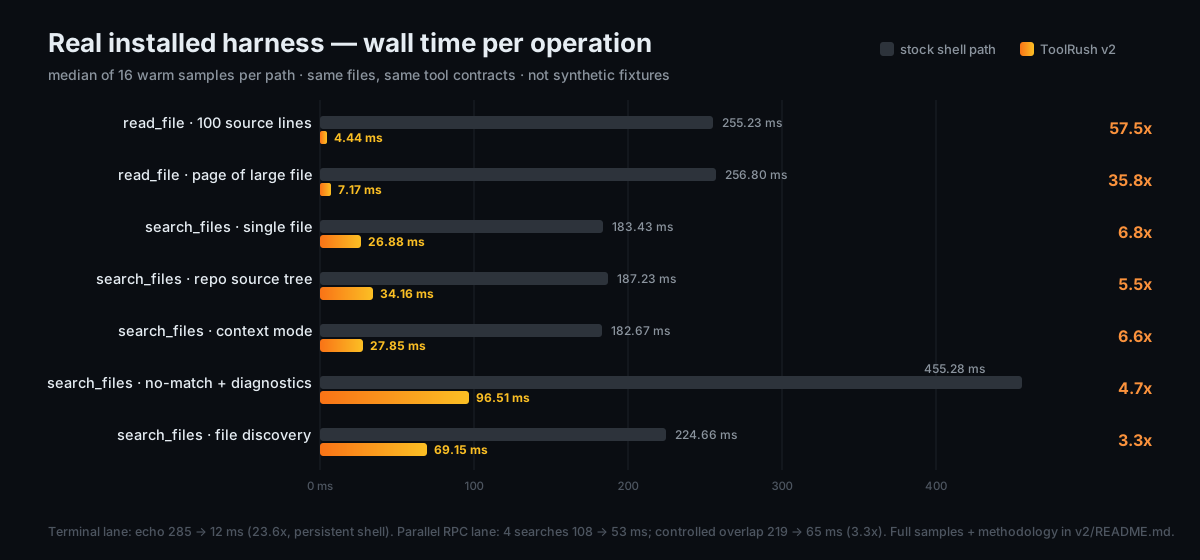
Он создан специально для пользователей и операторов Hermes Agent — оболочки от Nous Research, — а не как универсальный ускоритель вызовов инструментов.Насколько ToolRush ускоряет нативное чтение файлов?Нативное чтение файлов сокращается с 255.23 мс до 4.44 мс — измеренное ускорение в 57.5 раза; замер делался на реально установленной оболочке, без заглушек и подставных данных.
Нативное чтение файлов сокращается с 255.23 мс до 4.44 мс — измеренное ускорение в 57.5 раза; замер делался на реально установленной оболочке, без заглушек и подставных данных.Что будет, если команду пометят как небезопасную для ускорения?Классификатор допуска в ToolRush устроен так, что при сомнениях запрещает ускорение: он отказывается ускорять операции со скрытой записью вроде wget, curl -o или создания веток, но такие вызовы всё равно выполняются — обычным, более медленным последовательным путём, а не блокируются.
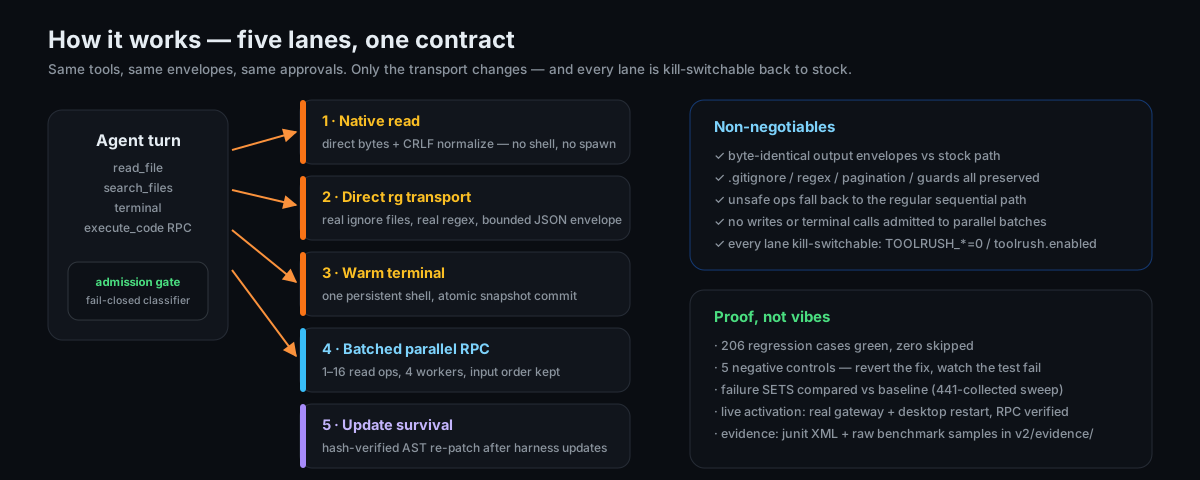
Классификатор допуска в ToolRush устроен так, что при сомнениях запрещает ускорение: он отказывается ускорять операции со скрытой записью вроде wget, curl -o или создания веток, но такие вызовы всё равно выполняются — обычным, более медленным последовательным путём, а не блокируются.Как ToolRush продолжает работать после обновлений Hermes Agent?Он хранит сверенные по хэшам исходники хелперов и 25 точечных патчей совместимости вне апстрим-чекинта, после обновления восстанавливает их в памяти, а если апстрим-код неожиданно разошёлся — громко сообщает об этом, а не ломается молча.
Он хранит сверенные по хэшам исходники хелперов и 25 точечных патчей совместимости вне апстрим-чекинта, после обновления восстанавливает их в памяти, а если апстрим-код неожиданно разошёлся — громко сообщает об этом, а не ломается молча.Что делает функция параллельного пакетного чтения?Через hermestools.parallel от 1 до 16 операций чтения выполняются максимум на 4 воркерах в одном RPC-вызове; результаты возвращаются в порядке входных данных, при этом действуют аутентификация, белые списки и лимиты вызовов; невалидные пакеты целиком отклоняются ещё до отправки.
Через hermestools.parallel от 1 до 16 операций чтения выполняются максимум на 4 воркерах в одном RPC-вызове; результаты возвращаются в порядке входных данных, при этом действуют аутентификация, белые списки и лимиты вызовов; невалидные пакеты целиком отклоняются ещё до отправки.What are similar projects?hermes-agent-self-evolution, pi-autoresearch, billion-context, agentbox, hermes-agent, botmaker, spinel, Proteus
hermes-agent-self-evolution, pi-autoresearch, billion-context, agentbox, hermes-agent, botmaker, spinel, ProteusWhich topics is it in?nous-research, parallel, agent-tools, rpc, hermes-agent, optimization, caching, concurrency, harness, testing, benchmark, plugin
nous-research, parallel, agent-tools, rpc, hermes-agent, optimization, caching, concurrency, harness, testing, benchmark, plugin