

What is this?
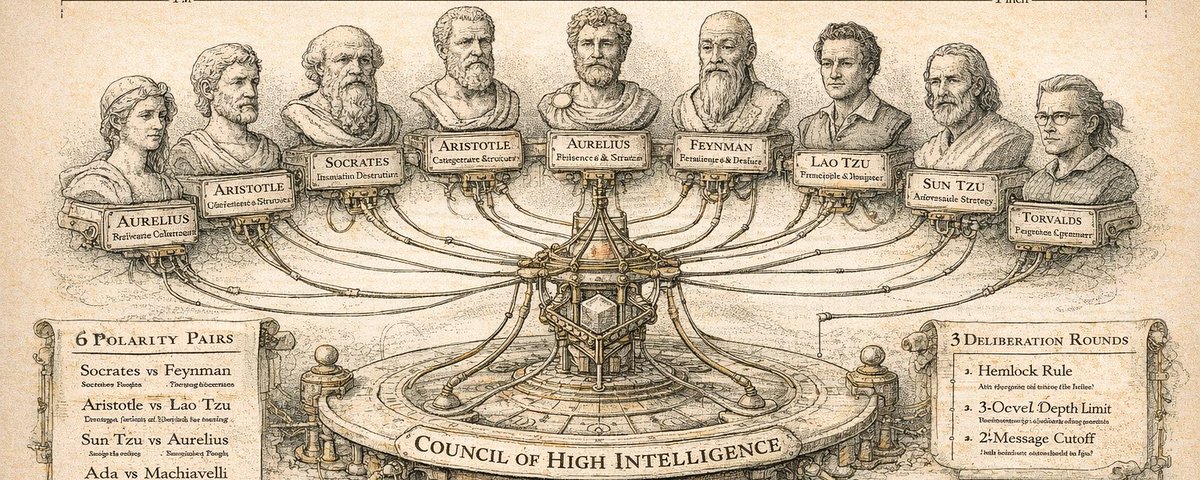
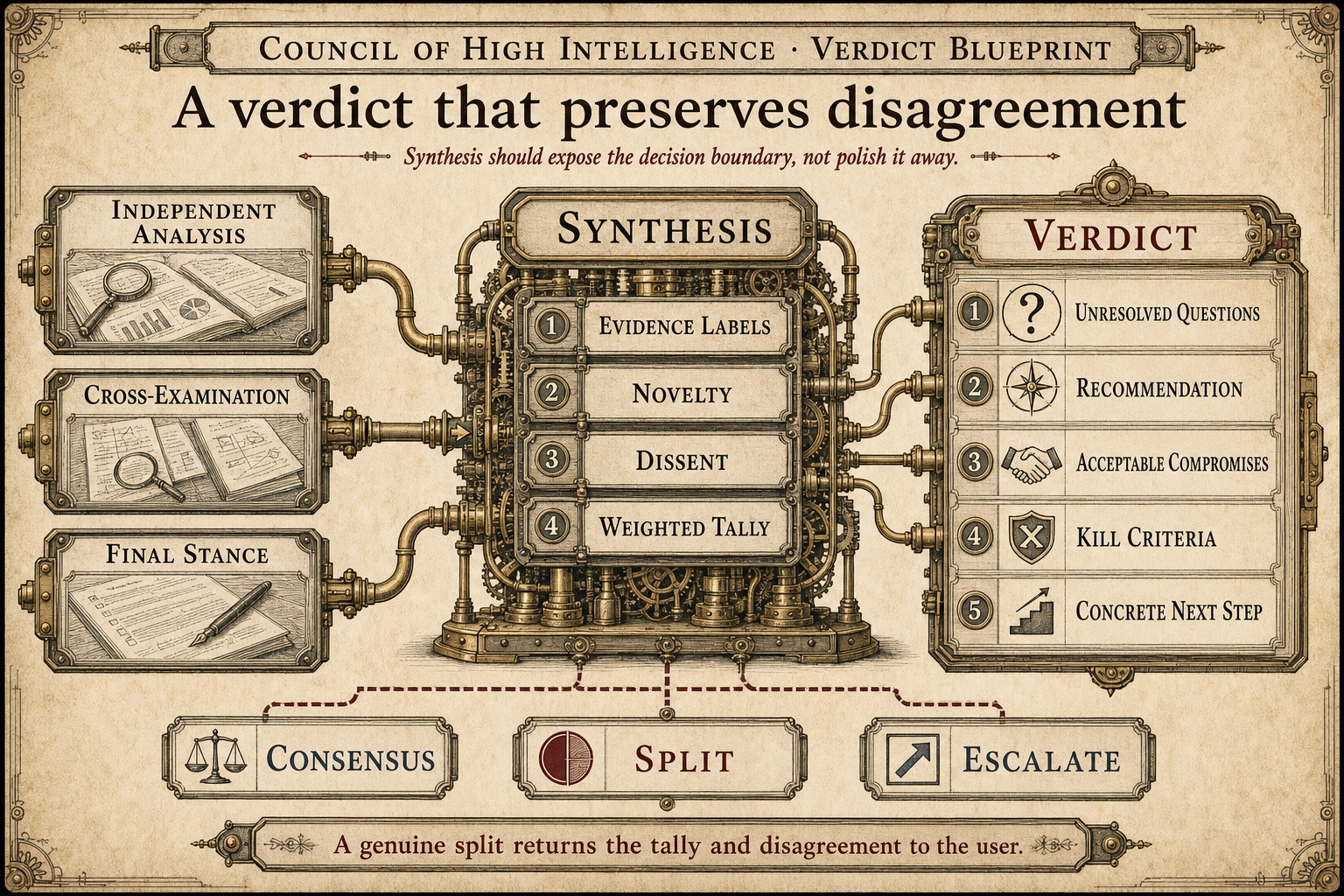
 Council of High Intelligence runs structured multi-perspective deliberation on hard decisions by assigning a question to 18 distinct analytical personas (Aristotle, Socrates, Feynman, Linus Torvalds and others), forcing independent first positions, cross-examination, and a final verdict that preserves unresolved questions, dissent, kill criteria, and a concrete next step.
Is this a standalone app or something added to an existing AI coding assistant?It is a skill/plugin that hooks into existing AI agent CLIs, not a standalone app. You install it into Claude Code, Codex, Gemini CLI, or OpenCode and trigger it with the same slash command inside that host.
It is a skill/plugin that hooks into existing AI agent CLIs, not a standalone app. You install it into Claude Code, Codex, Gemini CLI, or OpenCode and trigger it with the same slash command inside that host.How do I install it and run my first council?Claude Code users install the plugin directly and then run /council, --quick, or --duo. For Codex, Gemini CLI, or OpenCode, clone the repository once and run ./install.sh with the matching flag (--claude-dir, --codex-dir, --gemini-dir, --opencode-dir), then restart the client.
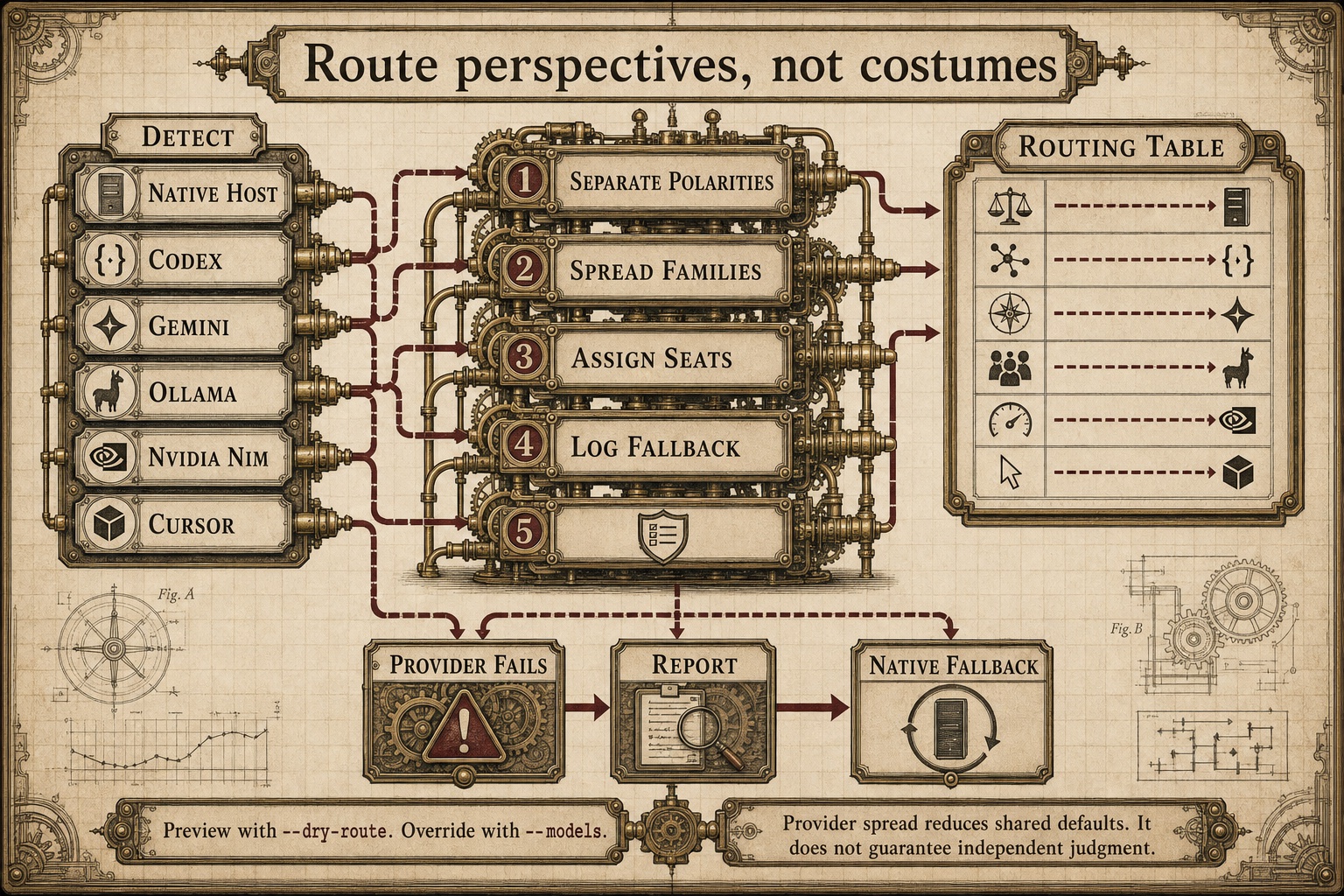
Claude Code users install the plugin directly and then run /council, --quick, or --duo. For Codex, Gemini CLI, or OpenCode, clone the repository once and run ./install.sh with the matching flag (--claude-dir, --codex-dir, --gemini-dir, --opencode-dir), then restart the client.Which coding agents does it actually work with?It supports Claude Code, Codex, Gemini CLI, and OpenCode as hosts, and can additionally route seats to OpenAI, Google, Ollama, NVIDIA NIM, or Cursor if their executables or API keys are detected on your machine.
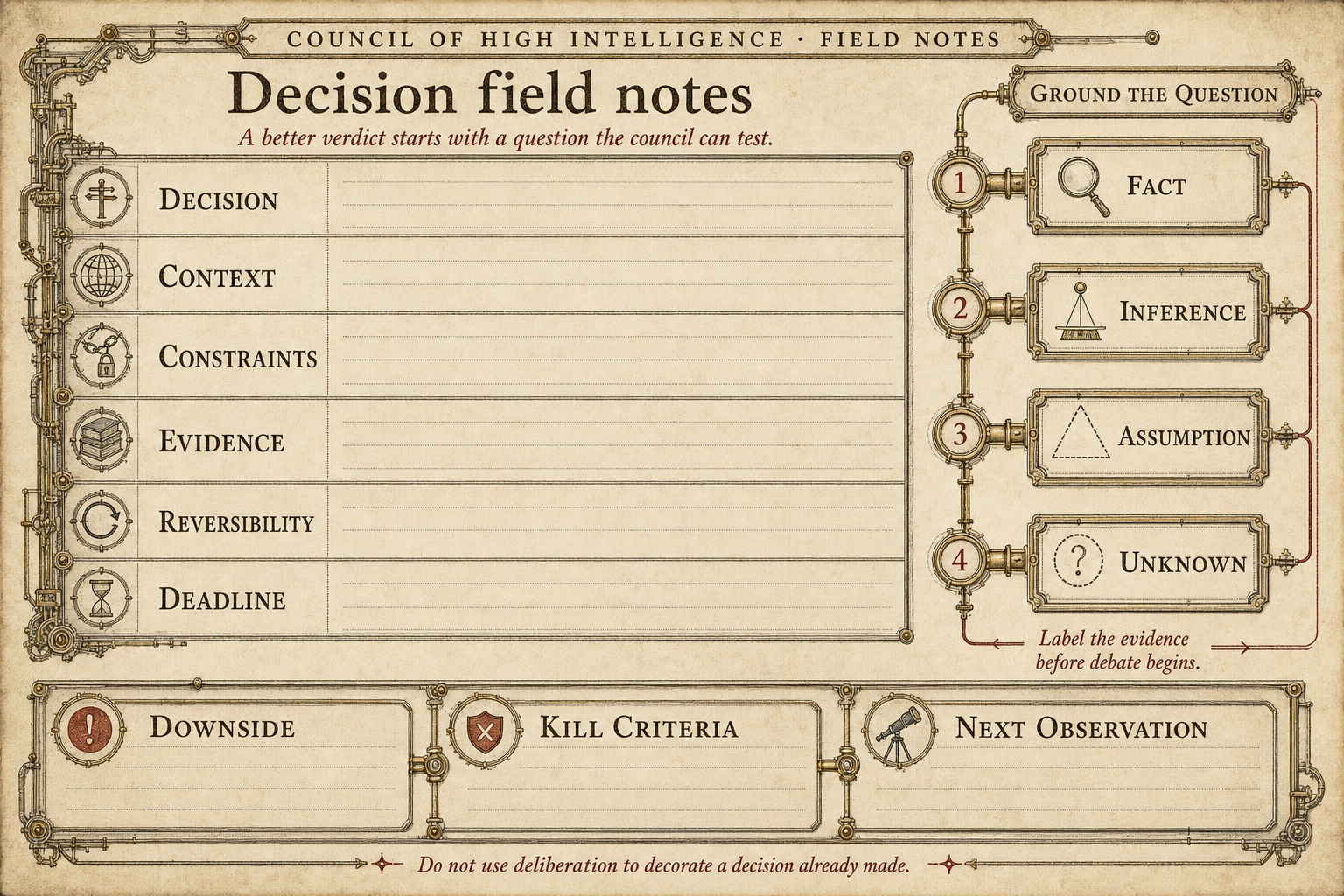
It supports Claude Code, Codex, Gemini CLI, and OpenCode as hosts, and can additionally route seats to OpenAI, Google, Ollama, NVIDIA NIM, or Cursor if their executables or API keys are detected on your machine.When should I skip convening a council?Skip it for plain factual lookups (use direct documentation instead), for cheap reversible choices (just run the experiment), and never use it to manufacture support for a decision already made; also remember to restart your client after installing, since the command will not appear until you do.
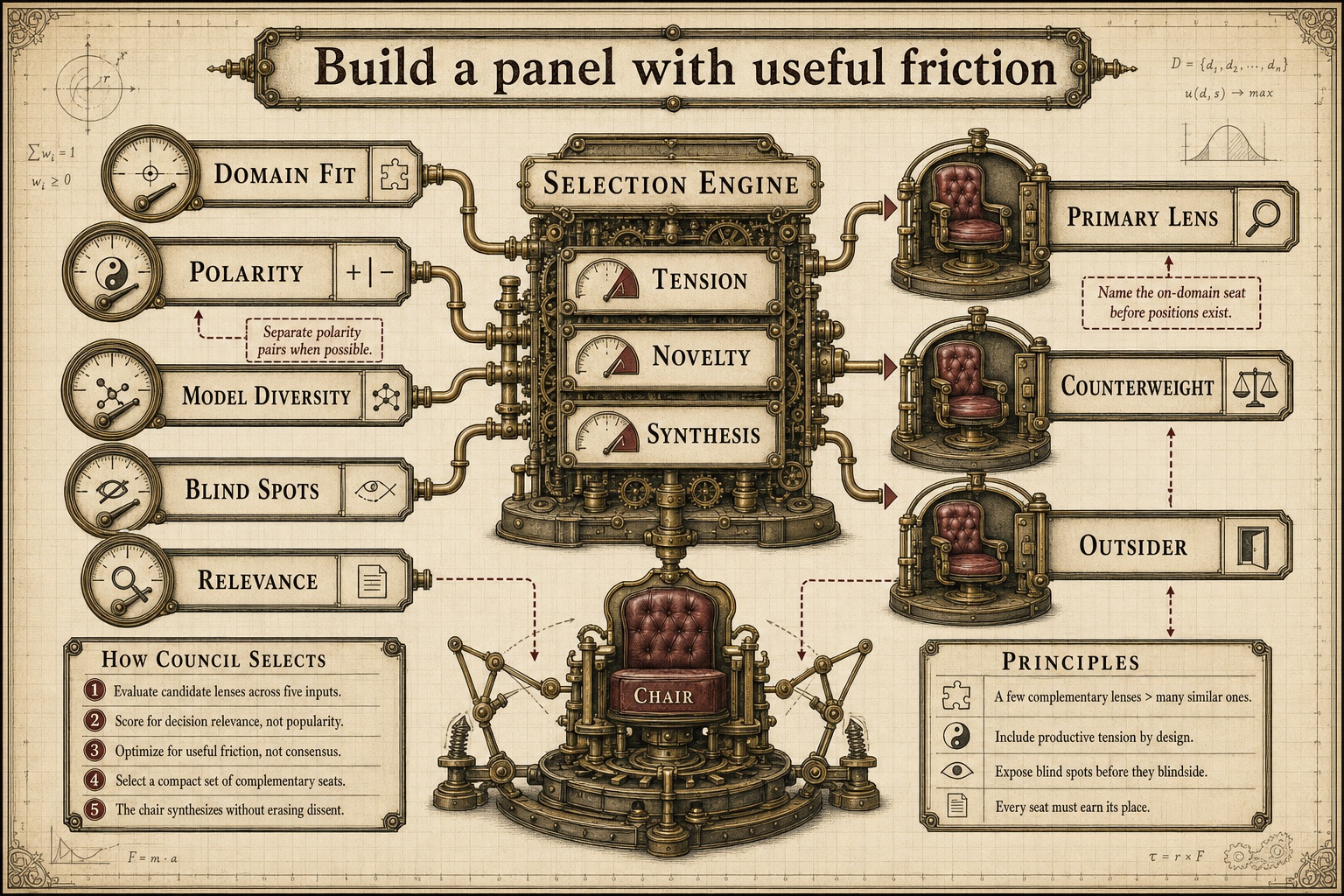
Skip it for plain factual lookups (use direct documentation instead), for cheap reversible choices (just run the experiment), and never use it to manufacture support for a decision already made; also remember to restart your client after installing, since the command will not appear until you do.What are the 18 personas in the council?Members include Aristotle, Socrates, Sun Tzu, Ada Lovelace, Marcus Aurelius, Machiavelli, Lao Tzu, Feynman, Linus Torvalds, Musashi, Alan Watts, Karpathy, Ilya Sutskever, Kahneman, Donella Meadows, Charlie Munger, Nassim Taleb, and Dieter Rams, each paired with a counterweight lens to force genuine disagreement.
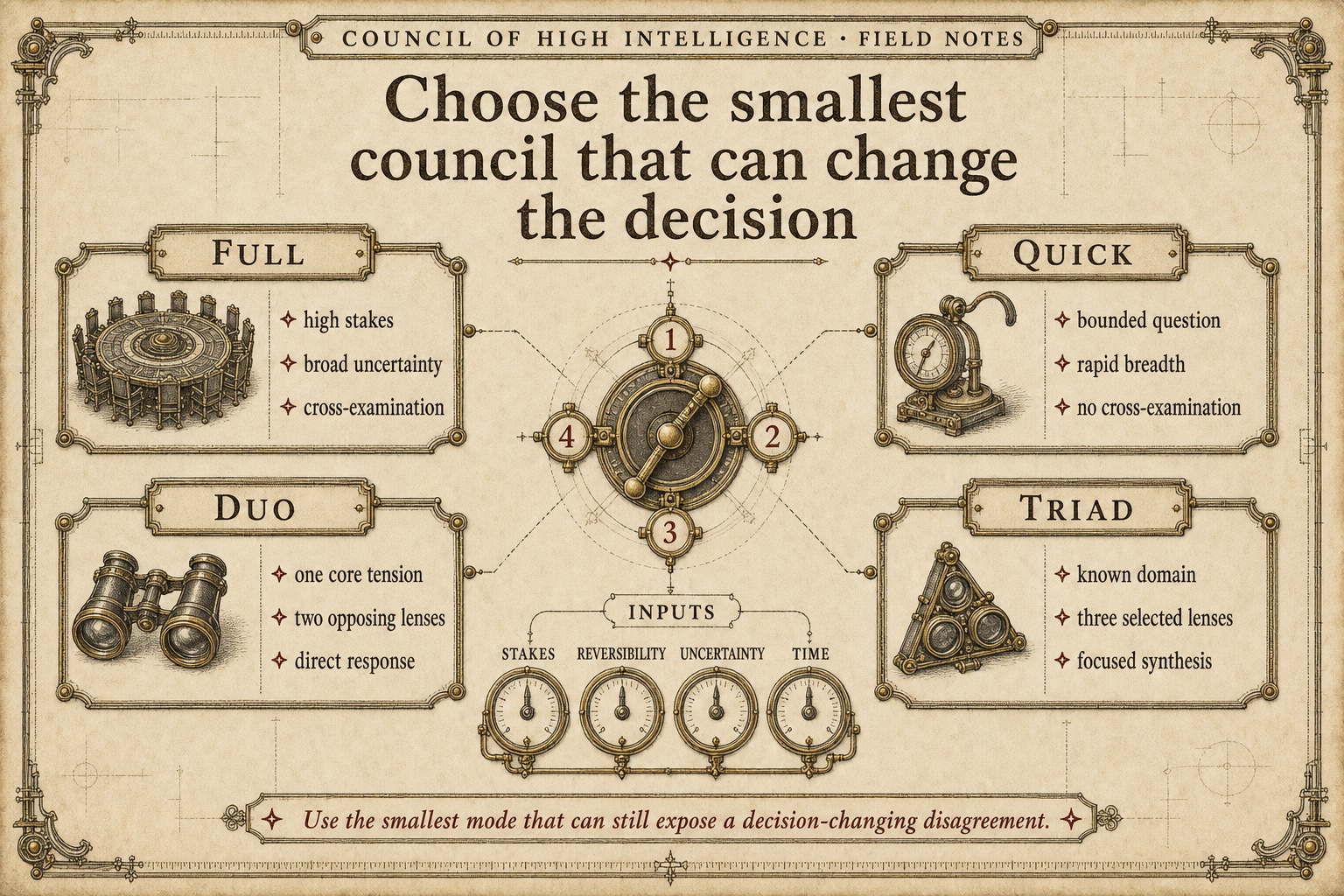
Members include Aristotle, Socrates, Sun Tzu, Ada Lovelace, Marcus Aurelius, Machiavelli, Lao Tzu, Feynman, Linus Torvalds, Musashi, Alan Watts, Karpathy, Ilya Sutskever, Kahneman, Donella Meadows, Charlie Munger, Nassim Taleb, and Dieter Rams, each paired with a counterweight lens to force genuine disagreement.What's the difference between Full, Quick, and Duo modes?Full runs independent analysis, cross-examination, final stance, and synthesis for high-stakes decisions; Quick restates the problem and gives rapid analysis plus final positions when breadth matters more than a full adversarial round; Duo is a two-member dialectic for decisions defined by one polarity.
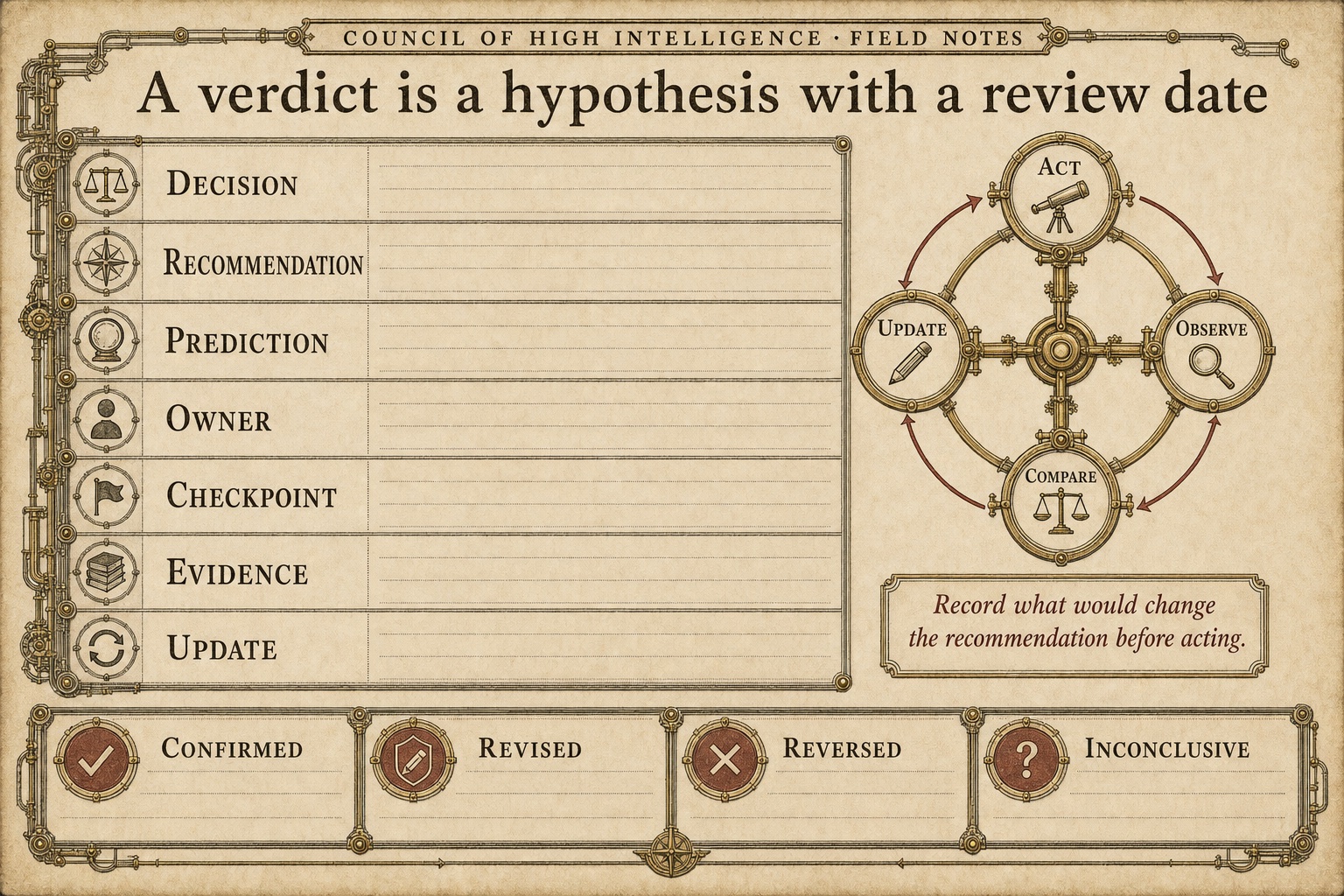
Full runs independent analysis, cross-examination, final stance, and synthesis for high-stakes decisions; Quick restates the problem and gives rapid analysis plus final positions when breadth matters more than a full adversarial round; Duo is a two-member dialectic for decisions defined by one polarity.Does it check whether a verdict actually held up later?Before acting on a recommendation you record the prediction, owner, review date, and the evidence that would change it; at the checkpoint the outcome gets marked confirmed, revised, reversed, or inconclusive instead of rewriting the original reasoning.
Before acting on a recommendation you record the prediction, owner, review date, and the evidence that would change it; at the checkpoint the outcome gets marked confirmed, revised, reversed, or inconclusive instead of rewriting the original reasoning.Can I run a smaller panel instead of all 18 members?Yes, named triads pull three relevant lenses from domains like architecture, strategy, ethics, debugging, risk, or ai-safety, and custom panels can be built with --members using the routing table in SKILL.md.
Yes, named triads pull three relevant lenses from domains like architecture, strategy, ethics, debugging, risk, or ai-safety, and custom panels can be built with --members using the routing table in SKILL.md.What are similar projects?open-steps, pstack-claude, fable-orchestrator, Agentlas-OS, claude-octopus, foreman, Intent-Router, ordewell
open-steps, pstack-claude, fable-orchestrator, Agentlas-OS, claude-octopus, foreman, Intent-Router, ordewellWhich topics is it in?llm-routing, decision-making, llm-agent, decision-model, claude-code-skills, reasoning, multi-agent-systems, gemini-cli, agent-skill, opencode, orchestration, agent-orchestration
llm-routing, decision-making, llm-agent, decision-model, claude-code-skills, reasoning, multi-agent-systems, gemini-cli, agent-skill, opencode, orchestration, agent-orchestration