Topics / #flexbox
Flexbox projects on GitHub
CSS flexbox layout techniques and utility frameworks.
As of , the most-starred Flexbox projects on GitHub are Semantic-UI (51K stars), bulma (50K stars) and ink (40.1K stars). GitHub.Locker tracks 16 Flexbox repositories with 345.8K stars combined. The fastest-growing on October 17 was mygo, with +44 stars in a day.
Hot right now
Most stars gained in a day · Oct 17
 +44
+44mygo
egoist/mygo · ★ 2.2KMyGo is a Go toolkit for building desktop apps that either embed a web frontend in the OS's native webview or render a fully native UI drawn by MyGo itself on the GPU, and you can mix both in one app.
 +10
+10opentui
anomalyco/opentui · ★ 13.6KOpenTUI is a library for building terminal user interfaces — interactive, text-mode apps that run in the terminal, written in TypeScript.
 +4
+4ink
vadimdemedes/ink · ★ 40.1KInk is React for the terminal: a library for building interactive command-line apps out of components, with the same component-based UI experience React offers in the browser.
clay
nicbarker/clay · ★ 18.3KClay (short for C Layout) is a high performance 2D UI layout library in C. You describe your UI with React-like declarative macros, it computes element positions and sizes in microseconds, and hands you back render commands.
The all-time top
16 projects · by stars
- 51K
 #1 · Semantic-Org/Semantic-UI
Semantic-UI
Semantic UI is a UI component framework that provides 50+ themeable UI elements (buttons, dropdowns, popups, etc.) using human-friendly, descriptive HTML class names.
- 50K
 #2 · jgthms/bulma
bulma
Bulma is a modern CSS framework based on Flexbox that gives you ready-made classes for building responsive layouts and UI components.
- 40.1K#3 · vadimdemedes/ink
ink
Ink is React for the terminal: a library for building interactive command-line apps out of components, with the same component-based UI experience React offers in the browser.
- 4
css-protips
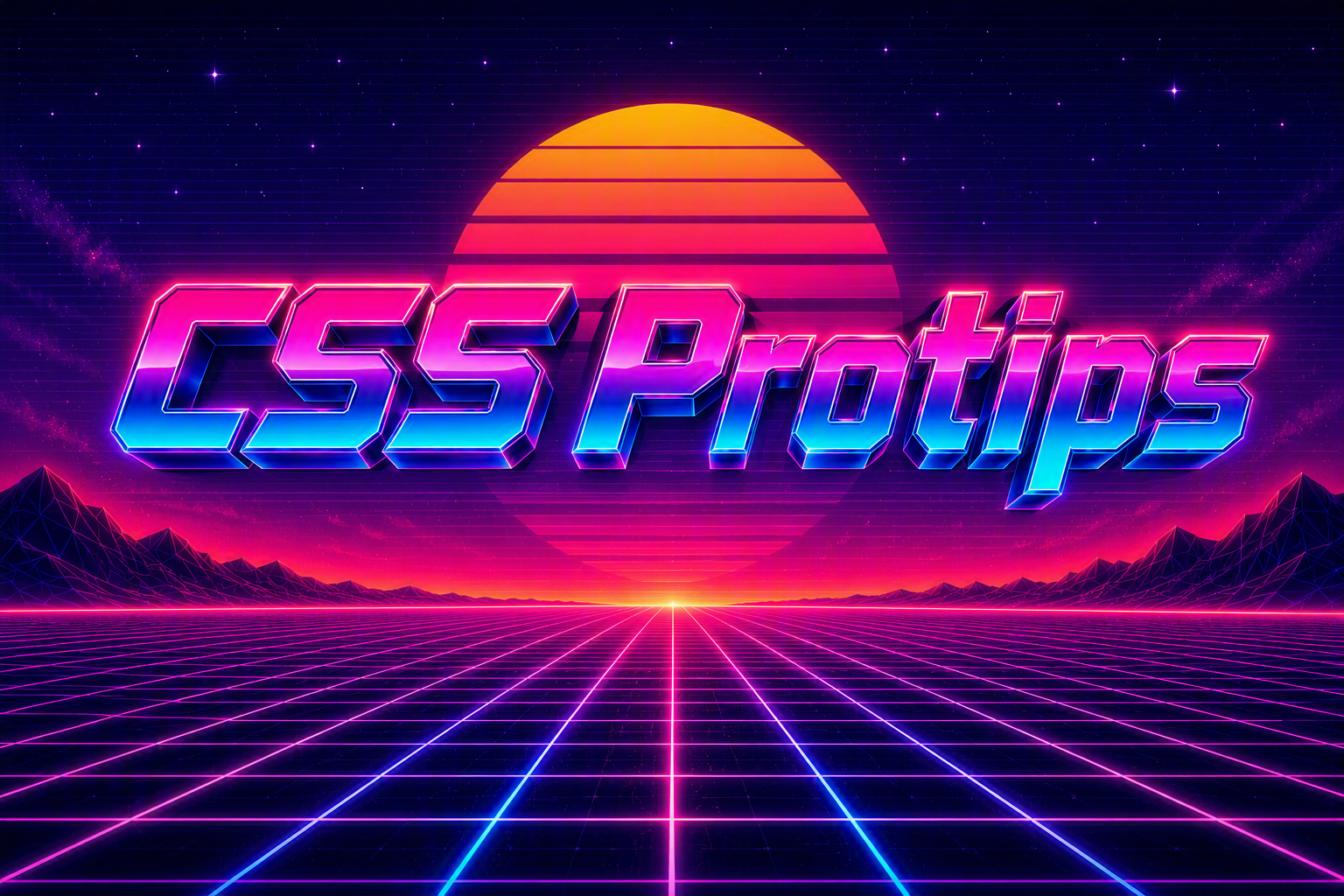
30.3KAllThingsSmitty/css-protipsA curated collection of CSS tips and tricks to help developers level up their CSS skills, covering things like resets, flexbox, selectors, and accessibility-aware patterns.
- 5

Daily-Interview-Question
27.3KAdvanced-Frontend/Daily-Interview-Question · JavaScriptA long-running, daily Chinese front-end interview question series curated by blogger 木易杨 (WeChat account 高级前端进阶). Each entry poses one real-world front-end interview problem - covering JavaScript, CSS, Vue, React and browser internals - with a linked, detailed written solution.
- 6

yoga
18.9Kreact/yoga · C++Yoga is an embeddable, high-performance flexbox layout engine written in C++ that computes UI layout trees and ships with bindings for multiple languages.
- 7

flexbox-layout
18.3Kgoogle/flexbox-layout · KotlinFlexboxLayout is an open-source Android library that brings the capabilities of the CSS Flexible Box Layout module (flexbox) to Android app layouts.
- 8
clay
18.3Knicbarker/clay · CClay (short for C Layout) is a high performance 2D UI layout library in C. You describe your UI with React-like declarative macros, it computes element positions and sizes in microseconds, and hands you back render commands.
- 9

react-pdf
16.8Kdiegomura/react-pdf · TypeScriptreact-pdf lets you create PDF files using React components, rendering them either in the browser or on the server with Node.
- 10
opentui
13.6Kanomalyco/opentui · TypeScriptOpenTUI is a library for building terminal user interfaces — interactive, text-mode apps that run in the terminal, written in TypeScript.
- 11

flexbugs
13.5Kphilipwalton/flexbugsA community-curated list of flexbox bugs and cross-browser workarounds: if a flex layout misbehaves in some browser, you look up the numbered bug and apply the fix.
- 12
solved-by-flexbox
12.9Kphilipwalton/solved-by-flexbox · CSSA showcase site demonstrating CSS layout problems that used to be hard or impossible with plain CSS, and showing how Flexbox solves them trivially.
- 13

spectre
11.3Kpicturepan2/spectre · CSSSpectre.css is a lightweight, responsive and modern CSS framework for building web UIs with a flexbox-based grid, prebuilt elements, components and utility classes.
- 14
proton-native
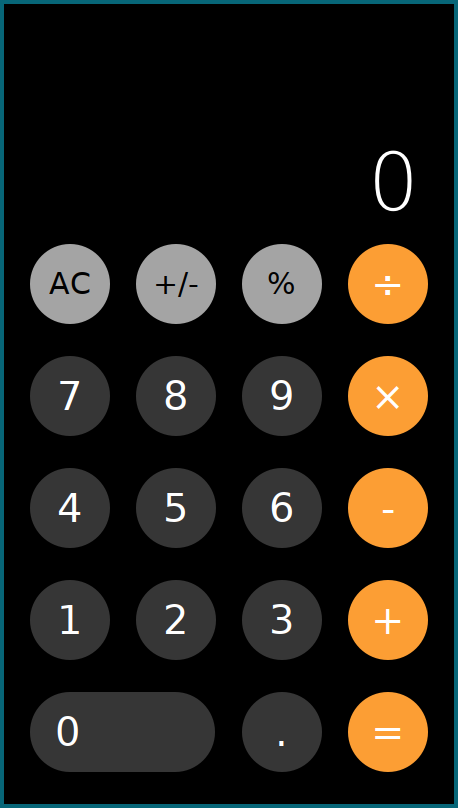
10.9Kkusti8/proton-native · TypeScriptProton Native lets you build cross-platform desktop apps using React syntax, rendering real native UI instead of wrapping a browser like Electron does.
- 15

milligram
10.2Kmilligram/milligram · HTMLMilligram is a minimalist CSS framework: a tiny stylesheet that gives a web project a fast, clean starting point rather than a full set of UI components.
- 16
mygo
2.2Kegoist/mygo · GoMyGo is a Go toolkit for building desktop apps that either embed a web frontend in the OS's native webview or render a fully native UI drawn by MyGo itself on the GPU, and you can mix both in one app.
Related topics
Often tagged together